
Abnormal Uterine Bleeding:
Bleeding Between Periods, Heavy Bleeding or Spotting
Abnormal Uterine Bleeding: Bleeding Between Periods, Heavy Bleeding or Spotting
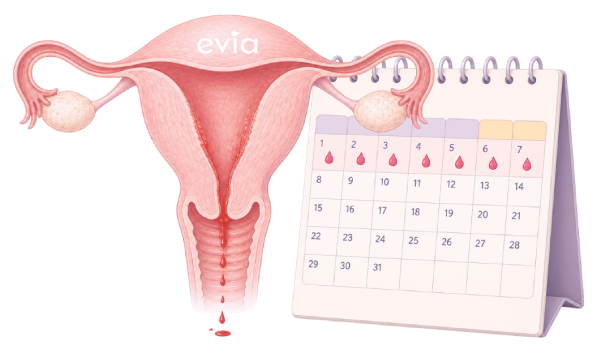
Heavy periods, bleeding between periods, prolonged bleeding, spotting, or missing periods are among the most common reasons women seek advice from a gynaecologist. While many causes are benign and readily treatable, persistent changes in your menstrual cycle should not be ignored. A careful assessment helps identify the underlying cause, exclude more serious conditions, and guide the most appropriate treatment.
Menstruation is a natural physiological process that is usually straightforward. However, up to one third of women will experience abnormal uterine bleeding (AUB) at some point during their reproductive years.
At a biological level, menstruation is the result of a finely regulated process within the lining of the uterus. It involves a coordinated interplay between tissue growth, hormonal changes, inflammation, blood vessel regulation, and ultimately shedding and repair of the endometrium. This delicate balance allows the menstrual cycle to occur in a predictable and controlled way. When this balance is disrupted, the lining may behave differently, resulting in abnormal bleeding.
Abnormal uterine bleeding can significantly affect a woman’s quality of life, causing fatigue, reduced energy levels, emotional distress, disruption to work and daily activities, and reduced participation in social or physical activities. Heavy menstrual bleeding is also one of the leading causes of iron deficiency and anaemia in women worldwide.

What Is A Normal Menstrual Period?

Cycle length: 21–35 days

Bleeding duration: 2–7 days

Blood loss: About 30–40 ml
(typically <80 ml per cycle)

Pad/tampon use: Not requiring change every 1–2 hours

Clots: Small clots occasionally can be normal
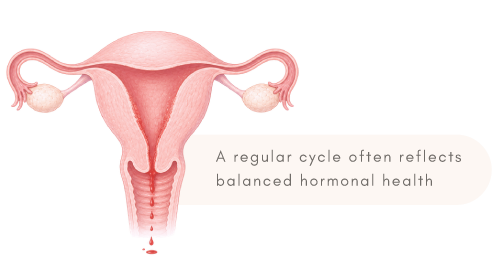
It is also normal for cycles to be slightly irregular in the first few years after menarche or during the perimenopause. Bleeding patterns can also sometimes vary during times of stress.
What Is Considered Abnormal Uterine Bleeding?
Abnormal uterine bleeding refers to bleeding that differs from your usual menstrual pattern in timing, duration, or amount.
Abnormal uterine bleeding does not always present in the same way. Some women experience heavy periods, while others notice bleeding between periods, prolonged bleeding, spotting, bleeding after intercourse, or missing periods altogether. Recognising these different bleeding patterns helps your gynaecologist identify the underlying cause and guide appropriate investigations. While occasional variation can occur, persistent changes in your menstrual cycle should be assessed.
Common types of abnormal bleeding:
HEAVY MENSTRUAL BLEEDING
Periods that are significantly heavier than your usual flow, require frequent pad or tampon changes, contain large clots, or interfere with your daily activities are considered abnormal. Heavy menstrual bleeding may result from conditions such as fibroids, adenomyosis, hormonal imbalance, bleeding disorders, or abnormalities of the uterine lining.
Bleeding Between Periods (Intermenstrual Bleeding)
Bleeding or spotting that occurs between your regular menstrual periods is known as intermenstrual bleeding. This may be caused by hormonal changes, endometrial polyps, fibroids, cervical abnormalities, infection, or, less commonly, precancerous or cancerous changes of the uterus or cervix.
Bleeding After Sexual Intercourse
Bleeding after intercourse is not considered a normal finding and should be evaluated, particularly if it recurs. It may arise from changes involving the cervix, vagina, or uterus, including cervical polyps, cervical inflammation, cervical precancer or cancer, endometrial polyps, or hormonal changes causing vaginal dryness.
Prolonged Menstrual Bleeding
A menstrual period that lasts more than seven days is considered prolonged bleeding. Common causes include fibroids, adenomyosis, endometrial polyps, hormonal imbalance, or disorders affecting ovulation. Persistent prolonged bleeding may also lead to iron deficiency and anaemia.
Irregular or Missing Periods
Menstrual cycles that are consistently shorter than 21 days, longer than 35 days, vary significantly from month to month, or are absent for several months are considered irregular. These patterns commonly occur due to ovulatory dysfunction, such as PMOS (Polyendocrine Metabolic Ovarian Syndrome, previously known as PCOS), thyroid disorders, significant weight changes, excessive exercise, stress, or during adolescence and perimenopause.
Bleeding After Menopause
Any vaginal bleeding after menopause is considered abnormal and should always be assessed promptly. Although many causes are benign, such as thinning of the uterine lining or polyps, postmenopausal bleeding may also be the first sign of endometrial hyperplasia, endometrial cancer, or, less commonly, ovarian cancer.
Causes of Abnormal Uterine Bleeding
To improve consistency in diagnosis and management, the International Federation of Gynecology and Obstetrics (FIGO) developed the PALM-COEIN classification system, which groups causes into structural and non-structural categories.
Abnormal bleeding can arise from several different mechanisms, and in some cases more than one factor may be present.
Structural Causes (PALM)
These are conditions where there is a physical change within the uterus.
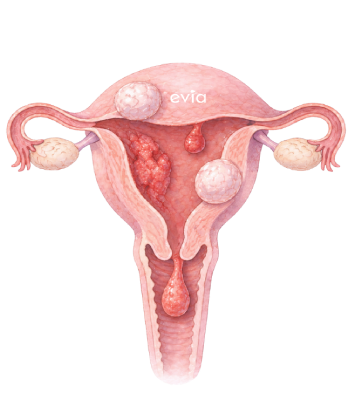

P — Polyps
Small growths arising from the lining of the uterus that may cause irregular bleeding.

A — Adenomyosis
The lining of the uterus grows into the muscle wall, often leading to heavy bleeding and increasing menstrual pain.

L — Leiomyoma (Fibroids)
Benign growths arising from the muscle of the uterus. Depending on size and location, they may cause heavy or prolonged bleeding.

M — Malignancy and Hyperplasia
Abnormal thickening or cancer of the uterine lining. This is particularly important to consider in women with risk factors or after menopause.
Non-Structural Causes (COEIN)
These are causes where the uterus may appear normal, but bleeding occurs due to functional or systemic factors.
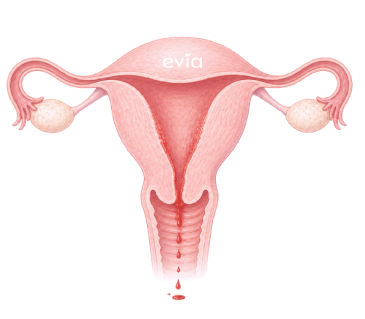

C — Coagulopathy (Bleeding Disorders)
Suspected in women with lifelong heavy bleeding, easy bruising, or excessive bleeding after procedures.

O — Ovulatory Dysfunction
Irregular or absent ovulation leading to unpredictable bleeding. Common in adolescence, perimenopause, PMOS (Polyendocrine metabolic ovarian syndrome, previously known as PCOS, polycystic ovarian syndrome), thyroid disorders or or with significant weight changes.

E — Endometrial Causes
The lining of the uterus does not regulate bleeding effectively despite normal ovulation.

I — Iatrogenic (Medication-related)
Includes hormonal medication, blood thinners, and intrauterine devices.

N — Not yet classified
Less common or emerging causes.
Other Important Causes
- Pregnancy-related conditions (miscarriage, ectopic pregnancy)
- Pelvic infection
- Endometriosis
**Pregnancy should always be excluded in any woman of reproductive age presenting with abnormal bleeding.
When Should You See a Gynaecologist?
You should arrange a review if you experience:
- Heavy periods affecting your daily life
- Bleeding between periods
- Persistent spotting before or after your period
- Periods lasting longer than seven days
- Cycles shorter than 21 days or longer than 35 days
- Missing periods for several months
- Bleeding after sexual intercourse
- Bleeding after menopause
- Any persistent change from your usual menstrual pattern
While many causes are not serious, persistent abnormal bleeding deserves proper evaluation.
Not Sure What's Causing Your Abnormal Bleeding? A Careful Assessment Is The First Step.
Many women live with abnormal bleeding for months, or even years, before seeking help. During your consultation, Dr Celene Hui will take the time to understand your symptoms, concerns, and fertility goals. Following a clinical assessment and, where appropriate, pelvic ultrasound or further investigations, she will work with you to develop an individualised treatment plan based on the underlying cause and your personal priorities.

What to Expect at Your Consultation
Assessment begins with a thorough clinical evaluation.
Your gynaecologist will take a detailed history, including:
- Your menstrual pattern (timing, duration, and amount of bleeding)
- Associated symptoms such as pain, fatigue, or dizziness
- Medical conditions and medications
- Contraceptive or Menopausal Hormonal Therapy (MHT) use
- Relevant risk factors
For a first consultation, an in-person review is important.
Abnormal bleeding can sometimes be significant. Some patients may become anaemic, which means the body has a lower level of red blood cells due to blood loss. This can lead to symptoms such as fatigue, breathlessness, dizziness, or feeling faint. In some cases, vital signs may be affected and require prompt assessment.
In addition, bleeding may arise from different parts of the genital tract, and not all bleeding originates from the uterus.
Your menstrual cycle is often described as a reflection of your overall health. Understanding when your bleeding changed, how it has changed, and whether other symptoms are present provides important clues to the underlying diagnosis. Careful assessment allows treatment to be directed at the cause rather than simply controlling the bleeding.
A careful physical examination is therefore performed, including:
- Ensuring vital signs are stable
- Inspection of the vulva and vagina
- Assessment of the cervix
- A pelvic (bimanual) examination to assess the uterus and ovaries
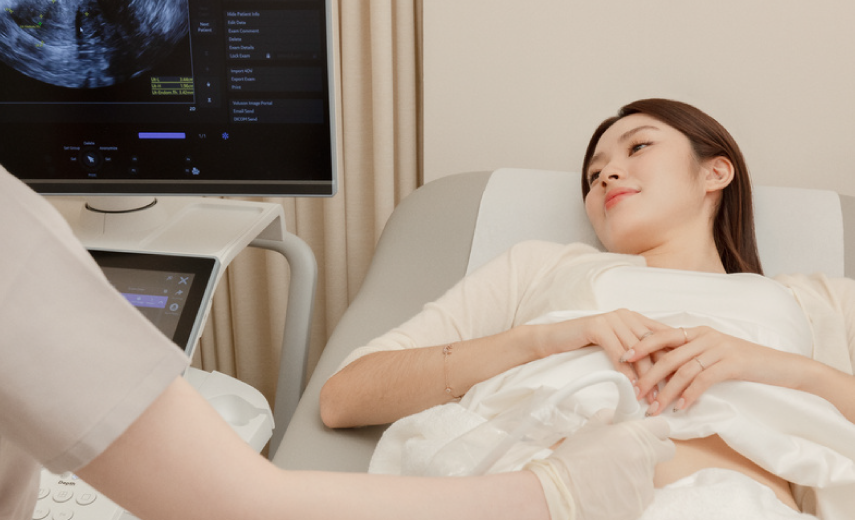
A pelvic ultrasound is commonly performed as part of the initial assessment, often during the same visit. This allows evaluation of:
- The uterine lining
- The presence of fibroids or polyps
- The ovaries and surrounding structures
What Tests Are Needed?
Initial tests are usually straightforward and may include:
- Pregnancy testing where appropriate
- Blood tests to assess for anaemia
- Screening for thyroid or bleeding disorders if indicated
- Cervical cancer screen (ThinPrep/ HPV test)
- Swab tests if infection is suspected
- Pelvic ultrasound to assess the uterus and ovaries
Further evaluation may be recommended based on age, symptoms, individual risk factors and suspected pathology.
These may include:
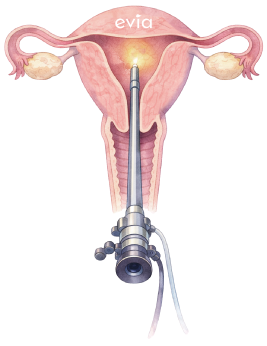
- Hysteroscopy — a camera used to look inside the uterus
- Endometrial biopsy or D&C (Dilatation and Curettage) — sampling of the uterine lining
- Sonohysterography — ultrasound with fluid to better assess the cavity
- MRI Pelvis — A detailed imaging scan (without radiation) used in selected cases to better assess the uterus, ovaries, and surrounding structures when ultrasound findings are inconclusive. (Only in selected cases)
These may include:
What Are The Treatment Options For Abnormal Uterine Bleeding?
Treatment is guided by the underlying cause, severity of symptoms, and individual preferences.
Medical Treatment
Medications are often the first step and are effective for many women. These include:
- Hormonal therapies help regulate the menstrual cycle and reduce bleeding
- Levonorgestrel intrauterine system (e.g. Mirena) is one of the most effective treatments for heavy menstrual bleeding, acting locally on the uterine lining to significantly reduce or even stop bleeding over time
- Tranexamic acid (TXA) helps reduce menstrual blood loss when taken during periods
- Non-steroidal anti-inflammatory drugs (NSAIDs) may reduce bleeding and relieve menstrual pain
Medical treatment is often suitable as an initial approach, particularly when symptoms are mild to moderate, or where surgery is not desired.
Surgical Treatment
Where appropriate, surgical treatment is directed at the underlying cause of bleeding, and a range of minimally invasive options are available. These include:
- Hysteroscopy – direct assessment of the uterine cavity
- Transcervical resection of polyps (hysteroscopic polypectomy) – removal of endometrial polyps
- Transcervical resection of fibroids (TCRM / hysteroscopic myomectomy) – removal of submucosal fibroids within the uterine cavity
- Laparoscopic or open myomectomy – uterus-preserving removal of fibroids
- Minimally invasive hysterectomy (Laparoscopic/ vNOTES) – for women who have completed childbearing or when other treatments are unsuitable
- Radiofrequency ablation (RFA) or Microwave Ablation – minimally invasive treatments that shrink selected fibroids while preserving the uterus
Many gynaecological procedures can now be performed using minimally invasive or natural orifice (“scarless”) techniques. Hysteroscopy is performed through the cervix without any abdominal incisions, while laparoscopic surgery uses only a few tiny abdominal incisions. For selected patients, vNOTES (Vaginal Natural Orifice Transluminal Endoscopic Surgery) allows surgery to be performed through the vagina without visible abdominal scars. Compared with traditional open surgery, these approaches are associated with less pain, shorter hospital stays, faster recovery, and an earlier return to normal daily activities.
Our treatment philosophy:
Treatment is always tailored to the individual, taking into account the underlying diagnosis, severity of symptoms, age, fertility goals, and personal preferences. Whenever appropriate, our aim is to preserve the uterus and reproductive potential, while offering the least invasive treatment that provides safe, effective, and durable symptom relief.
Arrange a gynaecologist review if you experience:
- Heavy or prolonged periods
- Bleeding between periods
- Missing periods
- Persistent spotting
- Bleeding after intercourse
- Bleeding after menopause
Seek urgent care if you experience:
- Heavy or prolonged bleeding causing dizziness or weakness
- Bleeding that soaks through pads hourly
- Severe pelvic pain
- Bleeding after menopause
- Persistent or worsening abnormal bleeding over time
If you are uncertain, it is always safer to seek medical advice early — particularly when symptoms are severe or changing.
Why Women Choose Dr Celene Hui
Dr Celene Hui is a board-certified Obstetrician & Gynaecologist and an accredited Level 3 Advanced Minimally Invasive Gynaecological Surgeon with over 15 years of experience in women’s healthcare. She trained within SingHealth at KK Women’s and Children’s Hospital and Singapore General Hospital, where she built extensive clinical experience in the diagnosis and management of a wide range of gynaecological conditions.
With advanced subspecialty training in hysteroscopy, laparoscopy, vNOTES, and other minimally invasive techniques, Dr Celene offers women a comprehensive range of evidence-based diagnostic and treatment options. This breadth of expertise enables her to tailor management to each woman’s symptoms, diagnosis, fertility goals, and personal preferences. Whether treatment involves reassurance, medication, hysteroscopic surgery, uterus-preserving procedures, or minimally invasive surgery, every recommendation is individualised to achieve the best possible outcome.
Rather than taking a one-size-fits-all approach, Dr Celene believes in recommending the least invasive treatment that is appropriate for each woman. Many patients can be successfully managed without major surgery, while those who do require an operation may benefit from advanced minimally invasive techniques that are associated with less pain, faster recovery, and an earlier return to normal daily activities.

Arrange a Consultation if You’re Experiencing Abnormal Bleeding
Changes in your menstrual cycle should not simply be accepted as something you have to live with. While many causes of abnormal uterine bleeding are benign, persistent or heavy bleeding can affect your health and quality of life. A proper assessment can identify the underlying cause, guide appropriate treatment, and exclude less common but more serious conditions.
Your menstrual cycle is often a reflection of your overall health. If something has changed, it is worth finding out why.

FAQs on Abnormal Bleeding
Is abnormal uterine bleeding serious?
Most causes of abnormal uterine bleeding are benign and can often be treated with medication. Common causes include hormonal imbalance, fibroids, polyps, and adenomyosis.
In some cases, bleeding may be more severe, particularly with larger fibroids or adenomyosis, and may require further treatment.
Abnormal bleeding can also be a sign of precancerous changes or endometrial cancer, especially in women with risk factors or after menopause. For this reason, persistent or unusual bleeding should be properly assessed.
When is irregular bleeding more common?
Certain life stages are associated with natural hormonal variation:
- In adolescence, cycles may take time to become regular
- In perimenopause, cycles may become shorter, longer, lighter, or heavier
Although these changes can be expected, it is still important to seek medical advice if bleeding is heavy, prolonged, or occurs between periods.
When should I see a doctor for abnormal bleeding?
You should arrange a review with a gynaecologist if you notice any persistent change in your usual menstrual pattern, including:
- Heavy menstrual bleeding that interferes with your daily activities
- Bleeding lasting more than seven days
- Bleeding or spotting between periods
- Bleeding after sexual intercourse
- Menstrual cycles that are consistently shorter than 21 days or longer than 35 days
- Periods that become increasingly irregular or are absent for several months (when not pregnant)
- Any vaginal bleeding after menopause
You should also seek medical attention if you develop symptoms of anaemia, such as fatigue, dizziness, shortness of breath, or palpitations, as heavy menstrual bleeding can lead to significant iron deficiency over time.
Seek urgent medical attention if you experience very heavy bleeding (such as soaking through one or more pads every hour for several consecutive hours), feel faint or unwell, have severe pelvic pain, or are pregnant and experiencing vaginal bleeding.
What causes heavy menstrual bleeding?
Heavy menstrual bleeding can have many different causes, and in some women, more than one condition may be contributing. Common causes include:
- Uterine fibroids – particularly fibroids that distort the uterine cavity or increase the surface area of the uterine lining.
- Adenomyosis – where the lining of the uterus grows into the muscular wall of the uterus, often causing heavy, painful periods.
- Endometrial polyps – benign growths within the uterine cavity that can cause heavy or irregular bleeding.
- Ovulatory dysfunction – irregular or absent ovulation, such as in Polyendocrine Metabolic Ovarian Syndrome (PMOS), previously known as PCOS, adolescence, or perimenopause.
- Hormonal imbalance – affecting the normal growth and shedding of the uterine lining.
- Bleeding disorders or certain medications, such as anticoagulants, may also contribute to heavy menstrual bleeding.
Less commonly, heavy bleeding may be associated with endometrial hyperplasia (thickening of the uterine lining) or endometrial cancer, particularly in women with risk factors or those who develop abnormal bleeding after menopause.
A thorough assessment, including a detailed history, examination, and appropriate investigations, is important to determine the underlying cause so that treatment can be tailored to your individual needs.
Is it normal to miss periods?
Missing an occasional period can occur due to factors such as stress, significant weight changes, excessive exercise, illness, or pregnancy. However, repeatedly missing periods or having menstrual cycles that are consistently irregular is not always normal and should be evaluated.
One of the most common causes is ovulatory dysfunction, where the ovaries do not release an egg regularly. This may occur in Polyendocrine Metabolic Ovarian Syndrome (PMOS), previously known as polycystic ovary syndrome (PCOS), and can also be seen during adolescence and perimenopause, when hormonal fluctuations are common. Other possible causes include thyroid disorders, elevated prolactin levels, premature ovarian insufficiency, or certain medications.
When ovulation does not occur regularly, the lining of the uterus may continue to thicken without being shed normally. This can lead to irregular, prolonged, or heavy bleeding, and over time may increase the risk of endometrial hyperplasia (thickening of the uterine lining) if left untreated.
If your periods are absent for more than three months (when not pregnant), or if you have persistent irregular cycles, it is advisable to seek assessment to identify the underlying cause and discuss appropriate management.
What does my menstrual cycle say about my health?
What tests are needed for abnormal uterine bleeding?
Evaluation may include blood tests, pelvic ultrasound, and in selected cases, endometrial biopsy or hysteroscopy.
What is hysteroscopy?
Hysteroscopy is a minimally invasive procedure where a thin camera is inserted through the cervix to examine the uterine cavity and treat conditions such as polyps or small fibroids.
Can abnormal bleeding affect fertility?
It depends on the underlying cause. Abnormal uterine bleeding itself does not necessarily cause infertility, but some of the conditions responsible for abnormal bleeding may affect a woman’s ability to conceive or maintain a pregnancy.
For example:
- PMOS (previously known as PCOS) is one of the most common causes of irregular or absent ovulation, making it more difficult to conceive naturally.
- Fibroids, particularly those that distort the uterine cavity (submucosal fibroids), may reduce fertility or increase the risk of miscarriage.
- Endometrial polyps may interfere with embryo implantation and are associated with reduced fertility in some women.
- Endometriosis and adenomyosis may affect fertility through inflammation, altered pelvic anatomy, or changes within the uterine environment.
The good news is that many of these conditions are treatable, and addressing the underlying cause may improve both menstrual symptoms and fertility outcomes. If you are experiencing abnormal bleeding and are planning a pregnancy, it is important to seek early assessment so that any underlying condition can be identified and managed appropriately.
What are endometrial polyps?
Endometrial polyps are small, usually benign growths that arise from the lining of the uterus. They can cause irregular bleeding, spotting between periods, or bleeding after intercourse.
What is adenomyosis?
Adenomyosis occurs when the lining of the uterus grows into the muscle wall, leading to a bulky uterus. It is commonly associated with heavy menstrual bleeding and increasing menstrual pain.
What is PMOS?
Polyendocrine Metabolic Ovarian Syndrome (PMOS), previously known as polycystic ovary syndrome (PCOS), is a common hormonal and metabolic condition that affects ovulation. Women with PMOS often experience infrequent, irregular, or absent ovulation, resulting in irregular or missed periods.
When ovulation does not occur regularly, the lining of the uterus (endometrium) may continue to thicken under the influence of oestrogen without the regular shedding triggered by progesterone. This can lead to irregular, prolonged, or heavy menstrual bleeding, and over time may increase the risk of endometrial hyperplasia (thickening of the uterine lining) if left untreated.
Management focuses not only on regulating menstrual cycles but also on addressing the underlying hormonal and metabolic factors through lifestyle interventions, nutritional health, weight optimisation where appropriate, and medical treatment tailored to the individual’s needs.