
UTERINE FIBROIDS:
SYMPTOMS, TREATMENT OPTIONS & SURGERY
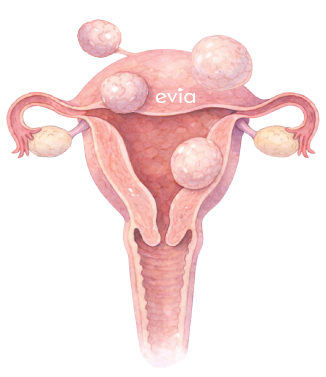
UTERINE FIBROIDS
Uterine fibroids are benign (non-cancerous) growths that develop from the muscle wall of the uterus. They are among the most common gynaecological conditions affecting women during their reproductive years, although many women never experience symptoms and may not even realise they have them.
For others, fibroids can significantly affect quality of life, causing heavy menstrual bleeding, iron deficiency anaemia, pelvic pressure, urinary frequency, pain, recurrent miscarriage or difficulty conceiving.
Modern fibroid management has evolved considerably. Treatment now ranges from careful monitoring and medical therapy to minimally invasive, uterus-preserving procedures and scarless surgery for carefully selected women.
The right treatment depends not simply on the size of the fibroid, but on your symptoms, fertility goals and what matters most to you.

WHAT ARE UTERINE FIBROIDS?
Uterine fibroids are common benign (non-cancerous) growths that arise from the smooth muscle layer of the uterus. Also known as leiomyomas or myomas, they are among the most common gynaecological conditions affecting women during their reproductive years.
Many women with fibroids have no symptoms and may only discover them during a routine pelvic examination or ultrasound scan. Others may experience heavy menstrual bleeding, iron deficiency anaemia, pelvic pressure, urinary frequency, pain, or difficulty conceiving.
Fibroids vary greatly in size, number and location. A woman may have a single small fibroid or multiple fibroids of different sizes. Some remain stable for years, while others gradually enlarge over time. The location of a fibroid often has a greater impact on symptoms and treatment than its size alone.
HOW ARE UTERINE FIBROIDS CLASSIFIED?
Fibroids are classified according to where they develop within the uterus.
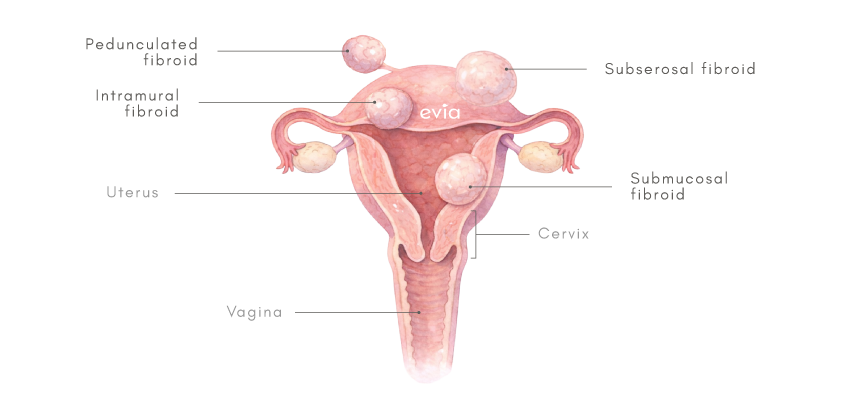
- Submucosal fibroids develop just beneath the lining of the uterus and project into the uterine cavity. Although often small, they are the type most strongly associated with heavy menstrual bleeding, recurrent miscarriage and reduced fertility because they distort the cavity where implantation occurs.
- Intramural fibroids grow within the muscular wall of the uterus and are the most common type. Depending on their size and position, they may cause heavy periods, pelvic pain, pressure symptoms or enlargement of the uterus.
- Subserosal fibroids grow on the outer surface of the uterus. They are less likely to cause abnormal bleeding but can become quite large, resulting in pelvic pressure, abdominal bloating, urinary frequency or constipation due to pressure on surrounding organs.
- Pedunculated fibroids are attached to the uterus by a narrow stalk and may develop either inside or outside the uterus. Occasionally, the stalk can twist (torsion), causing sudden severe pelvic pain that may require urgent treatment.
Who is more likely to develop fibroids?
Fibroids can affect women of any reproductive age, but they are more commonly diagnosed between the ages of 30 and 50 years.
Factors associated with an increased risk include:
- A family history of fibroids, particularly in a mother or sister
- Black ethnicity, with fibroids tending to develop at a younger age and often being larger or more symptomatic
- Early onset of menstruation (early menarche)
- Overweight or obesity
- Having never been pregnant (nulliparity)
Researchers are also investigating the roles of vitamin D deficiency, hypertension, dietary factors and environmental influences, although the evidence for these is less consistent.
Having one or more of these risk factors does not necessarily mean treatment will be required. Many fibroids remain small and symptom-free throughout a woman’s life. The decision to monitor or treat fibroids depends on your symptoms, fertility goals, overall health, and the characteristics of the fibroids themselves.
WHAT ARE THE SYMPTOMS OF UTERINE FIBROIDS?
Many women with uterine fibroids have no symptoms and only discover them during a routine pelvic examination or ultrasound scan.
When symptoms do occur, they depend on the size, number and location of the fibroids. Some women experience only mild discomfort, while others develop symptoms that significantly affect their health, fertility and quality of life.
HEAVY MENSTRUAL BLEEDING
Heavy or prolonged menstrual bleeding is one of the most common symptoms of fibroids, particularly submucosal fibroids that distort the uterine cavity.
Women may notice:
- Periods lasting longer than usual
- Passing large blood clots
- Needing to change sanitary products frequently
- Bleeding that interferes with work, exercise or daily activities
Over time, excessive blood loss can lead to iron deficiency and iron deficiency anaemia, resulting in fatigue, dizziness, headaches, breathlessness, reduced exercise tolerance and poor concentration.
PELVIC PRESSURE OR PAIN
As fibroids enlarge, they can increase the size of the uterus and create a sensation of pressure or heaviness within the pelvis.
Some women describe:
- A constant feeling of pelvic fullness
- Lower abdominal discomfort or bloating
- Menstrual cramps that become progressively more painful
- Lower back pain
- Pain during sexual intercourse
Less commonly, a fibroid attached by a stalk (a pedunculated fibroid) may twist on itself, causing sudden severe pelvic pain that requires urgent medical assessment.
BLADDER AND BOWEL SYMPTOMS
Large fibroids can press on surrounding pelvic organs.
Pressure on the bladder may cause:
- Frequent urination
- Urgency
- Difficulty completely emptying the bladder
Pressure on the bowel may result in:
- Constipation
- Bloating
- A sensation of incomplete bowel emptying
- Discomfort during bowel movements
FERTILITY AND PREGNANCY
Not all fibroids affect fertility. However, fibroids that distort the uterine cavity — particularly submucosal fibroids — may reduce implantation rates, increase the risk of miscarriage, or contribute to infertility.
Large intramural fibroids may also affect fertility in selected women, although this depends on their size, location and relationship to the uterine cavity and fallopian tubes.
During pregnancy, fibroids may also be associated with complications such as pain, malpresentation, preterm birth, caesarean delivery and postpartum haemorrhage, although many women with fibroids have completely normal pregnancies.
How Are Uterine Fibroids Diagnosed?
Fibroids are usually diagnosed during a consultation with a pelvic ultrasound. Your gynaecologist will assess:
- Your symptoms and medical history
- The size, number and location of the fibroids
- Whether the fibroids may be contributing to heavy bleeding, pain or fertility concerns.
Additional investigations, such as MRI or hysteroscopy, may sometimes be recommended to guide treatment planning
WHEN SHOULD YOU SEEK MEDICAL ADVICE?
Because these symptoms can overlap with other gynaecological conditions such as adenomyosis, endometriosis or endometrial polyps, it is important not to assume fibroids are the cause.
If you experience heavy menstrual bleeding, iron deficiency anaemia, persistent pelvic pain, pressure symptoms, bleeding between periods, difficulty conceiving or recurrent miscarriage, a specialist assessment can help determine the underlying cause and whether treatment is needed.
Not Sure If It's Fibroids? Start With a Specialist Assessment.
Heavy menstrual bleeding, pelvic pressure, urinary symptoms or difficulty conceiving can have several possible causes. A specialist assessment can help determine whether fibroids are responsible and guide the most appropriate treatment.
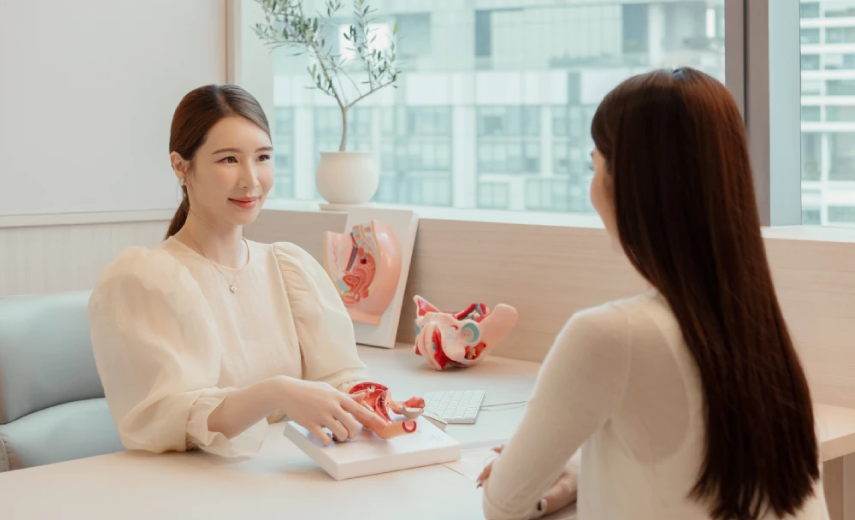
During your consultation, Dr Celene Hui will take the time to understand your symptoms, concerns and fertility goals. Where appropriate, this is followed by a pelvic examination and pelvic ultrasound. Ultrasound is usually the first-line investigation for fibroids, allowing assessment of their number, size and location, and helping to determine whether treatment is needed and, if so, which option is most appropriate for you.
UTERINE FIBROIDS TREATMENT OPTIONS
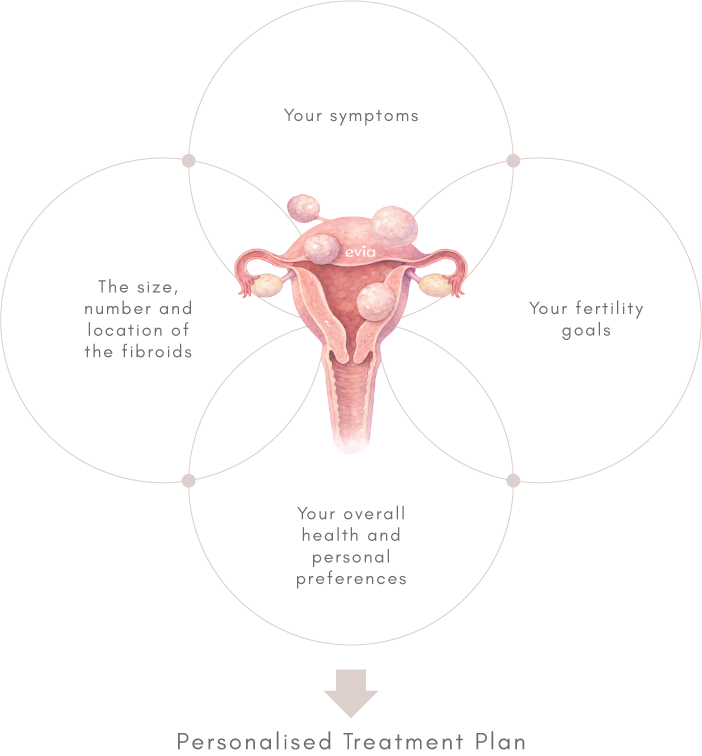
There is no single “best” treatment for uterine fibroids. The most appropriate option depends on several factors, including the size, number and location of the fibroids, the severity of your symptoms, whether fertility preservation is important, and your personal preferences.
Many women with fibroids do not require surgery. In fact, one of the most important principles of modern fibroid management is that treatment should be tailored to the individual rather than the scan alone.
Monitoring
Not every fibroid requires active treatment.
Women with small fibroids that are not causing symptoms can often be monitored safely with periodic review and repeat imaging where appropriate.
Medication
Medication can improve symptoms but generally does not eliminate fibroids permanently. Women with significant pressure symptoms, severe bleeding or iron deficiency anaemia may require procedural or surgical treatment.
Treatment may include tranexamic acid, hormonal therapies, the levonorgestrel-releasing intrauterine system (Mirena®), or short-term hormonal suppression with GnRH agonists or GnRH antagonists in selected women.
Hysteroscopic Myomectomy
(Transcervical Resection of Myoma, TCRM)
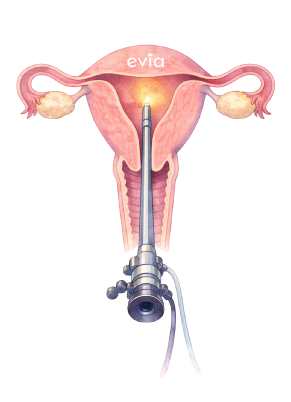
Hysteroscopic myomectomy, also known as transcervical resection of myoma (TCRM), is a minimally invasive procedure used to remove submucosal fibroids that project into the uterine cavity.
The procedure is performed entirely through the vagina and cervix using a fine telescope called a hysteroscope, meaning no abdominal incisions are required.
It is particularly suitable for women with:
- Heavy menstrual bleeding
- Iron deficiency anaemia caused by submucosal fibroids
- Recurrent miscarriage related to cavity distortion
- Fertility difficulties associated with fibroids inside the uterine cavity
As the fibroid is removed directly from within the uterus, many women experience significant improvement in bleeding symptoms. In carefully selected patients, hysteroscopic myomectomy may also improve fertility outcomes.
Most women return home on the same day and recover quickly.
Laparoscopic Myomectomy
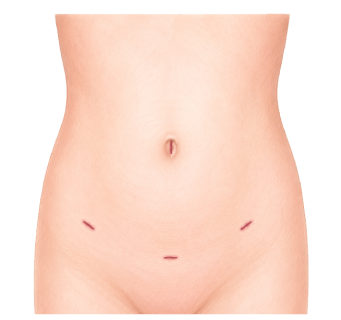
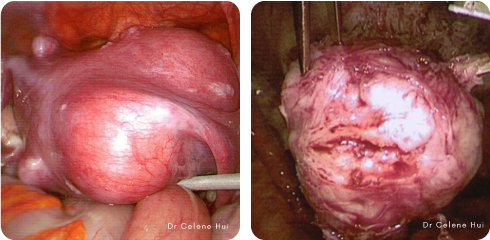
Laparoscopic myomectomy removes fibroids while preserving the uterus and remains one of the most effective uterus-preserving treatments for women with symptomatic fibroids, particularly those wishing to retain their fertility.
The procedure is performed through several small abdominal incisions using a high-definition camera and specialised laparoscopic instruments. Once the fibroids are removed, the uterus is carefully reconstructed in multiple layers to restore its strength and support healing.
Compared with open surgery, laparoscopic myomectomy may offer:
- Smaller scars
- Less postoperative pain
- Reduced blood loss
- Reduced postoperative adhesions
- Faster recovery
- Shorter hospital stay
- Earlier return to normal activities
Not every woman is suitable for laparoscopic surgery. The decision depends on the size, number and location of the fibroids, the complexity of the surgery, previous operations, and fertility goals.
Safe tissue extraction and contained morcellation
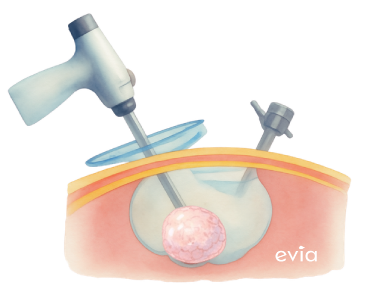
When larger fibroids need to be removed through small incisions, the tissue may need to be divided into smaller pieces to allow safe removal. Where appropriate, this is performed using contained morcellation, in which the fibroid is placed within a specialised containment bag before being carefully divided and removed.
Although rare, a uterine leiomyosarcoma may occasionally mimic a benign fibroid on pre-operative imaging. Careful clinical assessment, appropriate imaging, patient selection and informed consent are therefore essential before proceeding with minimally invasive surgery.
Contained morcellation is recommended to minimise tissue dissemination and is an important component of safe modern minimally invasive fibroid surgery.
Most patients are discharged within one to two days of the procedure.
Laparoscopic Hysterectomy
For women who have completed their families or no longer wish to preserve the uterus, laparoscopic hysterectomy offers a definitive treatment for fibroids.
By removing the uterus, hysterectomy permanently eliminates fibroids and prevents them from recurring.
Compared with traditional open surgery, laparoscopic hysterectomy is associated with:
- Smaller incisions
- Less postoperative pain
- Faster recovery
- Reduced blood loss
- Earlier return to daily activities
Depending on your individual circumstances, a total hysterectomy (removal of the uterus and cervix) or subtotal hysterectomy (removal of the uterus while preserving the cervix) may be recommended after discussing the advantages and considerations of each approach.
For larger fibroid uteri, the specimen may need to be carefully divided into smaller pieces to allow removal through the small abdominal incisions or through the vagina. Where appropriate, contained morcellation is performed within a specialised retrieval bag to minimise tissue dissemination and support the safe practice of minimally invasive surgery.
Most patients are discharged within one to two days of the procedure.
vNOTES Hysterectomy
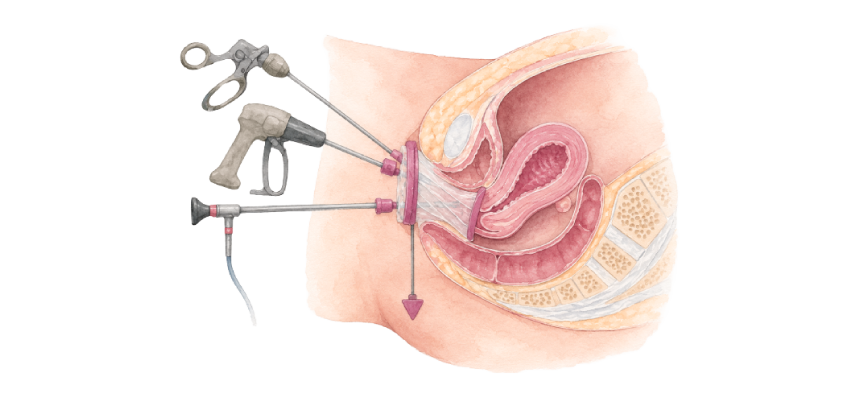
For carefully selected women who require a hysterectomy, vNOTES (vaginal natural orifice transluminal endoscopic surgery) offers one of the least invasive surgical approaches currently available.
Unlike conventional laparoscopic surgery, vNOTES is performed entirely through the vagina using specialised endoscopic instruments and a high-definition camera. Because the surgery is performed through a natural opening, no abdominal incisions are required, resulting in no visible scars.
Compared with conventional laparoscopic hysterectomy, vNOTES may offer:
- No visible abdominal scars
- Less postoperative pain
- Reduced need for pain medication
- Faster recovery
- Earlier return to normal activities
- Excellent cosmetic outcomes
Unlike a traditional vaginal hysterectomy, vNOTES combines the benefits of minimally invasive endoscopic surgery with a vaginal approach, providing excellent visualisation of the pelvic organs and improved access to the fallopian tubes and ovaries (adnexa). This allows additional procedures, such as removal of the ovaries or treatment of ovarian cysts, to be performed more easily when required.
Not every woman is suitable for vNOTES. Careful patient selection is essential and involves a detailed clinical assessment, pelvic examination and ultrasound evaluation by your vNOTES surgeon. Suitability depends on factors such as the size and mobility of the uterus, previous pelvic surgery, pelvic anatomy, and the underlying condition being treated.
At Evia Specialist Centre for Women, vNOTES reflects our philosophy of achieving excellent surgical outcomes through the least invasive approach whenever it is safe and appropriate.
Radiofrequency Ablation (RFA) of Fibroids
Radiofrequency ablation (RFA) is a minimally invasive, uterus-preserving treatment that uses controlled heat energy to shrink fibroids from within rather than removing them.
Using ultrasound guidance, a fine probe is inserted directly into each fibroid, where radiofrequency energy is delivered to destroy the fibroid tissue while preserving the surrounding healthy uterus. Over the following months, the treated fibroid gradually shrinks, leading to improvement in heavy bleeding, pelvic pressure and bulk-related symptoms.
Potential benefits include:
- Preservation of the uterus
- Small incisions
- Less postoperative pain
- Faster recovery
- Earlier return to work and daily activities
- Significant improvement in quality of life
Radiofrequency ablation is generally most suitable for carefully selected women who wish to preserve their uterus but avoid surgical removal of their fibroids. Unlike myomectomy or hysterectomy, RFA shrinks the fibroid but does not remove it, so no tissue is sent for histology. For this reason, careful patient selection is essential, especially because a rare uterine cancer such as leiomyosarcoma can occasionally resemble a fibroid on imaging.
Microwave Ablation of Fibroids
Microwave ablation is another minimally invasive, uterus-preserving treatment for carefully selected women with symptomatic fibroids.
Similar to radiofrequency ablation (RFA), a fine probe is inserted directly into the fibroid under ultrasound guidance. Microwave energy generates controlled heat that destroys the fibroid tissue, allowing it to shrink gradually over time while preserving the surrounding healthy uterus.
Potential benefits include:
- Preservation of the uterus
- Small incisions
- Minimal postoperative discomfort
- Short recovery time
- Early return to normal activities
- Significant improvement in heavy bleeding and bulk-related symptoms
As with RFA, microwave ablation is suitable only for fibroids that appear benign following careful clinical assessment and imaging. Unlike myomectomy or hysterectomy, the fibroid is not removed, and therefore no tissue is available for histological examination. Careful patient selection is therefore essential, particularly because a rare uterine cancer (leiomyosarcoma) can occasionally resemble a benign fibroid on imaging.
Uterine Artery Embolisation (UAE)
Uterine artery embolisation (UAE) is a procedure where tiny particles are injected into the arteries supplying the fibroids, reducing their blood supply and causing them to shrink gradually over time.
UAE can be an effective treatment for carefully selected women with symptomatic fibroids, particularly those wishing to preserve the uterus while avoiding surgery. However, because the procedure works by reducing blood flow to the fibroids, and to some surrounding uterine tissue, its effects on future fertility and pregnancy outcomes remain important considerations.
UAE may be particularly suitable for women who:
- Wish to avoid surgery
- Have medical conditions that increase the risks of surgery
- Are not ideal surgical candidates but wish to retain their uterus
Following UAE, it is common to experience pelvic cramping or discomfort for several days as the fibroids lose their blood supply. In some women, fibroid tissue may gradually pass through the vagina during the months following treatment.
| TREATMENT | BEST FOR | RESULT | PRE- SERVES UTERUS? |
HISTOL- OGY? |
HOSPITAL STAY |
|---|---|---|---|---|---|
| Open Myomectomy | Very large or complex fibroids unsuitable for minimally invasive surgery | Immediate fibroid removal | Yes | Yes | 3–4 days |
| Laparoscopic Myomectomy | Most women wishing to preserve fertility or their uterus | Immediate fibroid removal | Yes | Yes | 1–2 days |
| Open Hysterectomy | Very large uterus or when minimally invasive surgery is unsuitable | Definitive treatment | No | Yes | 3–4 days |
| Laparoscopic Hysterectomy | Most women seeking definitive treatment | Definitive treatment | No | Yes | 1–2 days |
| vNOTES Hysterectomy | Selected women suitable for scarless surgery | Definitive treatment | No | Yes | 1–2 days |
| Transcervical Resection of Myoma (TCRM) | Submucosal fibroids within the uterine cavity | Immediate fibroid removal | Yes | Yes | Day surgery |
| Radiofrequency Ablation (RFA) | Selected women with symptomatic fibroids | Gradual fibroids shrinkage | Yes | No | Day procedure |
| Microwave Ablation | Selected women with symptomatic fibroids | Gradual fibroids shrinkage | Yes | No | Day procedure |
| Uterine Artery Embolisation (UAE) | Patient wishing to avoid surgery/ not suitable for surgery | Gradual fibroids shrinkage | Yes | No | 1 Day |
When Might Treatment Be Needed?
Not all uterine fibroids require treatment. Many small fibroids cause no symptoms and can be safely monitored with periodic review and ultrasound where appropriate.
Treatment is usually considered when fibroids begin to affect your health, fertility or quality of life. This may include fibroids that:
- Cause heavy or prolonged menstrual bleeding, particularly if this leads to iron deficiency or anaemia
- Cause pelvic pain, pressure or abdominal bloating
- Affect bladder or bowel function, resulting in urinary frequency, urgency or constipation
- Distort the uterine cavity and contribute to infertility or recurrent miscarriage
- Continue to grow or become increasingly symptomatic over time
- Significantly affect your daily activities or quality of life
The decision to treat is based not only on the size of the fibroid, but also on its number, location, the severity of your symptoms, your age, fertility goals and personal preferences.
Why Choose Dr Celene Hui for Fibroid Care
Dr Celene Hui is a Consultant Obstetrician & Gynaecologist and an accredited Level 3 Minimally Invasive Gynaecological Surgeon, with over 15 years of experience caring for women with fibroids and other complex gynaecological conditions. She completed her specialist training at KK Women’s and Children’s Hospital and Singapore General Hospital, followed by subspecialty training in Minimally Invasive Gynaecological Surgery (MIS).
Dr Celene has a special interest in uterus-preserving surgery and advanced minimally invasive techniques. She is trained in a broad spectrum of modern fibroid treatments, including hysteroscopic surgery, laparoscopic, mini-laparotomy and open myomectomy, contained morcellation, radiofrequency ablation (RFA), laparoscopic hysterectomy and scarless vNOTES surgery. Being able to offer multiple treatment modalities provides women with a wider range of evidence-based options, allowing treatment to be individualised according to their symptoms, fibroid characteristics, fertility goals and personal preferences.
At Evia Specialist Centre for Women, every consultation begins with understanding your symptoms, concerns and future plans before discussing the full spectrum of treatment options, from reassurance and monitoring to medication, uterus-preserving procedures and minimally invasive surgery. The aim is always to recommend the least invasive effective treatment, tailored to your individual needs.

When Should You Consider a Second Opinion?
Being diagnosed with fibroids does not always mean you need surgery. Equally, not every fibroid can be safely managed with medication or minimally invasive treatment. Understanding the full range of options is an important part of making the right decision.
You may wish to seek a second opinion if:
- You have been told you need a hysterectomy and would like to explore uterus-preserving alternatives.
- You would like to know whether laparoscopic surgery, radiofrequency ablation (RFA) or scarless vNOTES may be suitable for you.
- You have multiple or large fibroids and would like advice on the safest surgical approach.
- You are planning a pregnancy and are unsure whether your fibroids require treatment.
- You continue to experience heavy bleeding, pelvic pressure or pain despite previous treatment.
- You would like reassurance that the recommended treatment is the most appropriate option for your individual circumstances.
A second opinion does not always change the treatment plan, but it can provide clarity, confidence and a better understanding of the options available.
Understand Your Options With an Early Assessment
An early specialist assessment can help identify whether fibroids are the cause of your symptoms and provide a clear understanding of the treatment options available.
At Evia Specialist Centre for Women, we offer the full spectrum of evidence-based fibroid treatments, with a special interest in minimally invasive and uterus-preserving care. Every treatment plan is individualised, taking into account your symptoms, the size and location of your fibroids, your fertility goals and your stage of life. Whether you need reassurance, treatment or simply a second opinion, we’re here to help you make an informed decision with confidence.
FAQS ON UTERINE FIBROIDS
Are uterine fibroids dangerous?
Uterine fibroids are benign (non-cancerous) growths and are not considered dangerous in most women. However, they can cause significant symptoms such as heavy menstrual bleeding, iron deficiency anaemia, pelvic pain, pressure on the bladder or bowel, and fertility or pregnancy problems.
Although rare, a type of uterine cancer known as leiomyosarcoma can occasionally resemble a fibroid on imaging. This is why careful clinical assessment and, in selected cases, additional imaging such as MRI are important before surgery or minimally invasive procedures.
How common are uterine fibroids?
Fibroids are among the most common gynaecological conditions affecting women. Studies suggest that up to 70–80% of women will develop fibroids by the age of 50, although many remain small and never cause symptoms.
They are most commonly diagnosed during the reproductive years, particularly between the ages of 30 and 50.
Do all fibroids require treatment?
No. Many fibroids are small, cause no symptoms and can be safely monitored without treatment.
Treatment is usually recommended only when fibroids cause symptoms such as heavy bleeding, iron deficiency anaemia, pelvic pain or pressure, bladder or bowel symptoms, infertility, recurrent miscarriage, or a significant impact on quality of life.
The decision to treat is based on your symptoms, fertility goals and the characteristics of the fibroids, rather than their size alone.
How are uterine fibroids diagnosed?
Most fibroids can be diagnosed with a pelvic ultrasound, which remains the first-line imaging investigation.
Depending on your symptoms and treatment plan, additional investigations may include:
- Pelvic examination
- Transvaginal and transabdominal ultrasound
- Hysteroscopy (to assess fibroids within the uterine cavity)
- MRI pelvis (for fibroid mapping, surgical planning or evaluation of atypical features)
These investigations help determine the number, size and location of the fibroids and guide the most appropriate treatment.
Do fibroids affect fertility?
They can, depending on their size and location.
Fibroids that distort the uterine cavity, particularly submucosal fibroids, are most likely to affect implantation, increase the risk of miscarriage and reduce fertility.
Large intramural fibroids may also affect fertility in some women. However, many women with fibroids conceive naturally and have uncomplicated pregnancies. Whether treatment is recommended depends on your symptoms, fertility goals and the characteristics of the fibroids.
Are treatments covered by MediSave or insurance?
Many surgical procedures for fibroids including myomectomy and hysterectomy are MediSave-claimable. Coverage varies by insurer and policy. Our team will be happy to advise you on estimated costs, MediSave claims and insurance eligibility before your procedure.
Will fibroids come back after treatment?
This depends on the type of treatment.
- Myomectomy removes existing fibroids but does not prevent new fibroids from developing in the future.
- Radiofrequency ablation (RFA) and microwave ablation shrink treated fibroids but do not remove them completely. They also do not prevent new fibroids from forming.
- Hysterectomy is the only definitive treatment, as the uterus is removed and fibroids cannot recur.
How soon can I return to normal activities after fibroid treatment?
Recovery depends on the type of treatment performed.
- Hysteroscopic myomectomy (TCRM): usually within a few days
- Radiofrequency ablation (RFA) and microwave ablation: usually within a few days
- Laparoscopic myomectomy: approximately 2–4 weeks
- Laparoscopic hysterectomy: approximately 2–4 weeks
- vNOTES hysterectomy: approximately 2–4 weeks, although some women recover sooner
- Open myomectomy: typically 4–6 weeks
Your recovery will also depend on the complexity of the surgery and your overall health.
When should I seek a second opinion?
You may wish to seek a second opinion if:
- You have been advised to undergo a hysterectomy and would like to explore uterus-preserving alternatives.
- You would like to know whether minimally invasive surgery, radiofrequency ablation (RFA) or vNOTES may be suitable for you.
- You have large or multiple fibroids and would like advice on the safest treatment approach.
- You are planning a pregnancy and are unsure whether your fibroids require treatment.
- You would like reassurance that the recommended treatment is the most appropriate option for your individual circumstances.
A second opinion does not always change the treatment plan, but it can provide clarity, confidence and a better understanding of the options available.